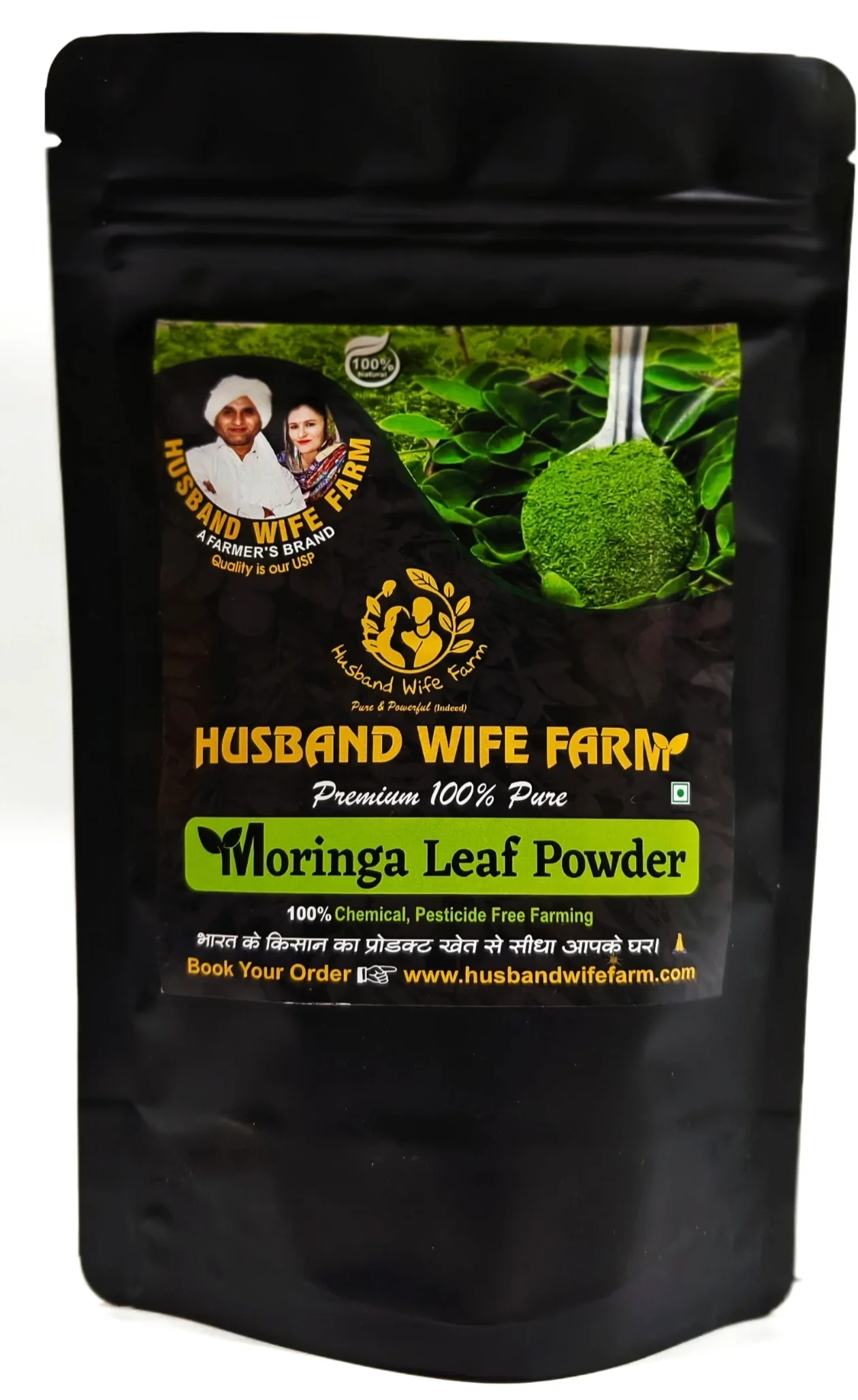
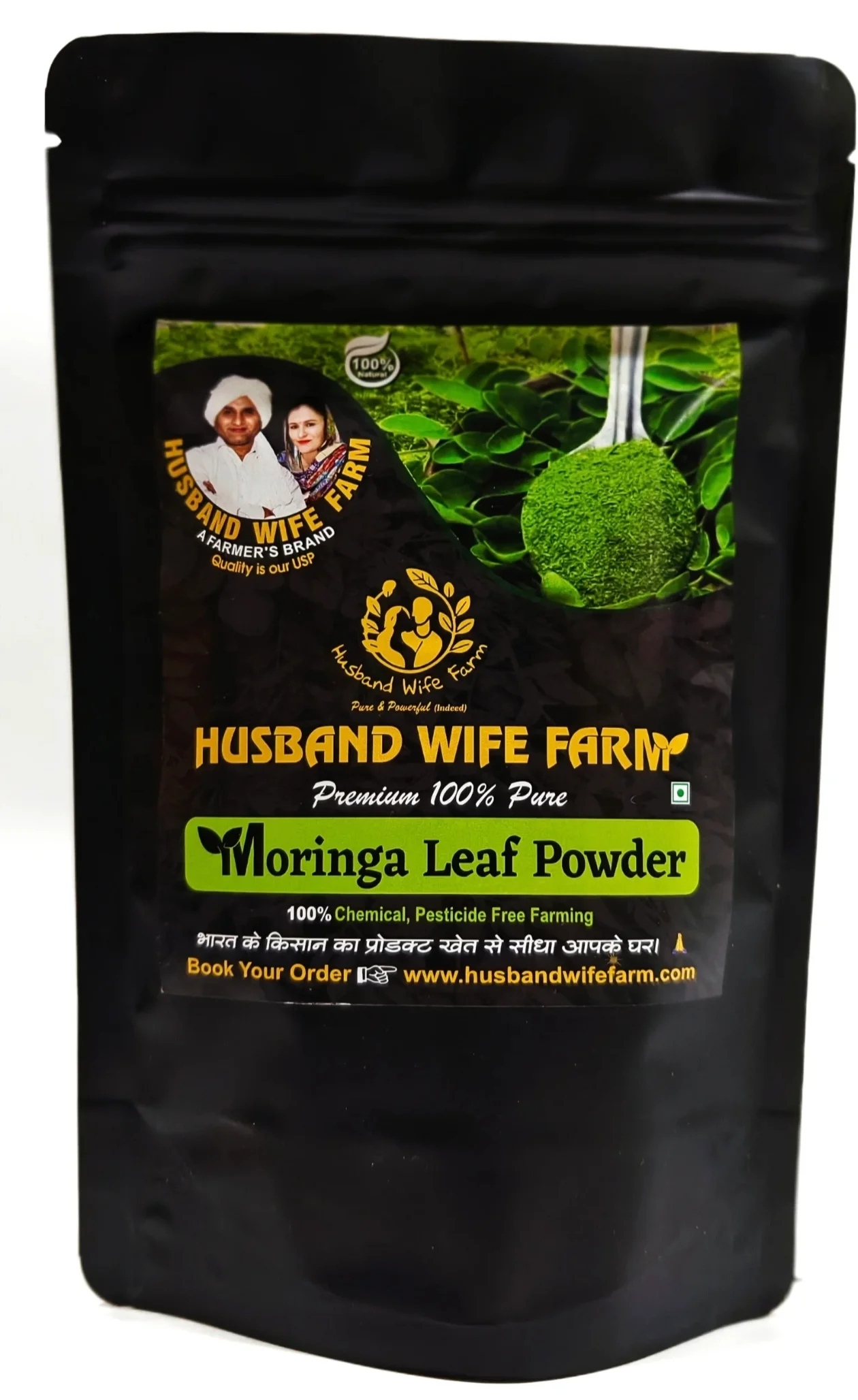
Moringa oleifera, or Moringa, is a plant bursting with nutrients and has been used for generations in India and other tropical regions. Moringa leaf powder is now a popular modern dietary supplement. It is a convenient way to add dried moringa leaves to daily food.
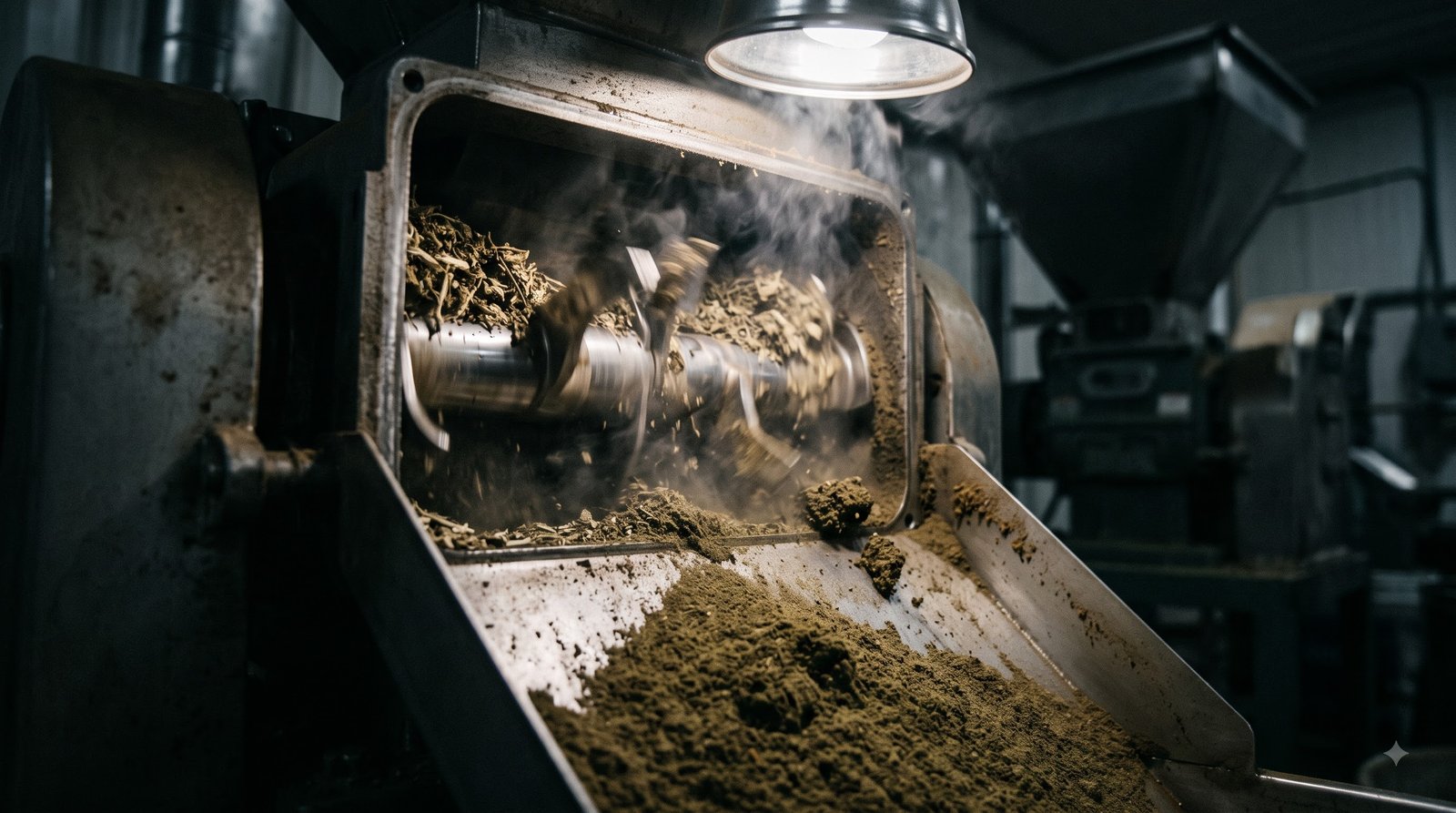
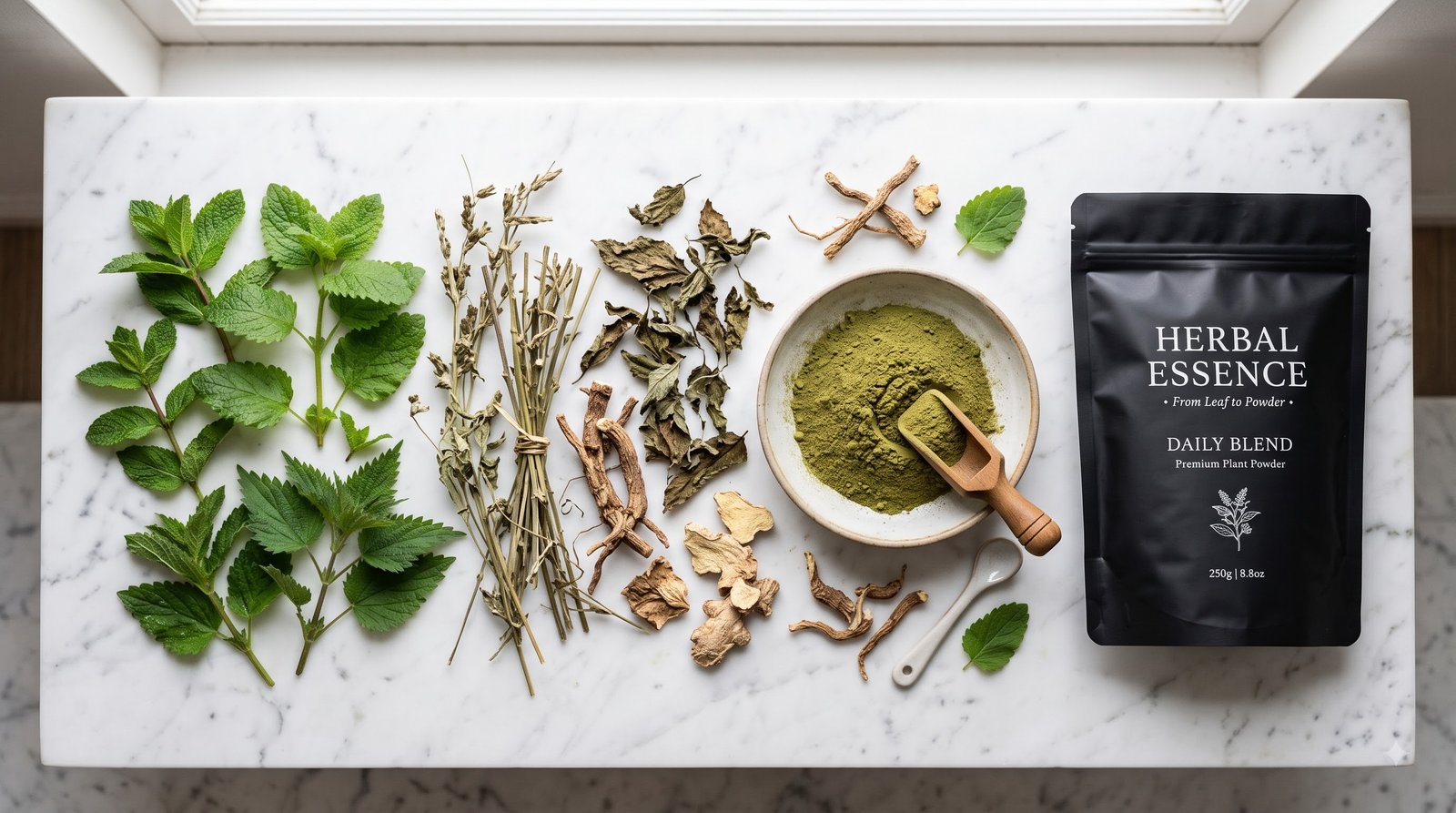
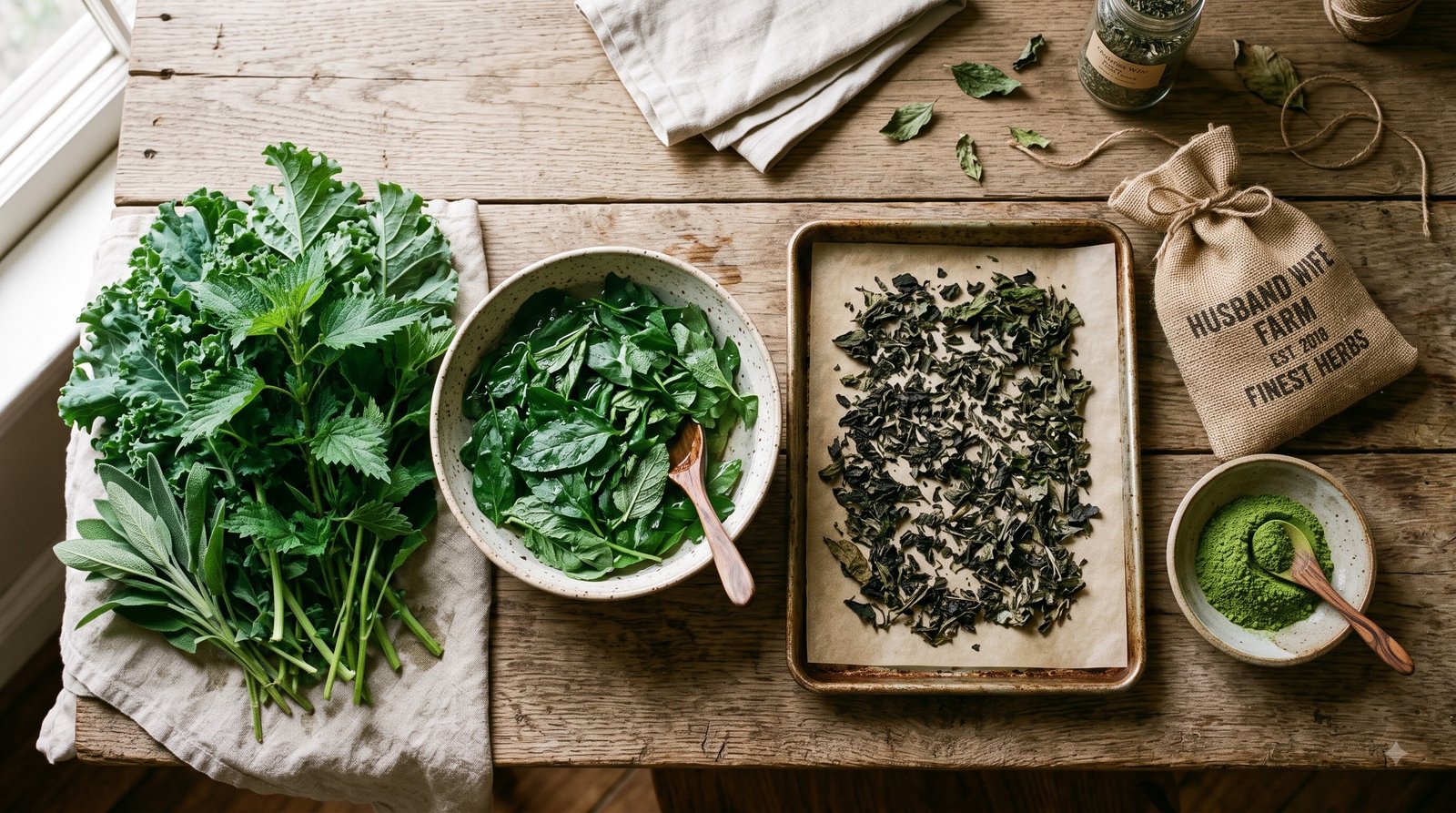
The powder is made by drying and grinding moringa leaves and can be added to smoothies, drinks, soups, dals, chutneys, or other foods. Research reviews have noted the nutritional value of moringa leaves, which contain protein, dietary fiber, minerals, vitamins, and various plant compounds.
But moringa should be regarded as a food ingredient with nutritional value and not as a substitute for medical treatment. Select a quality product and use it judiciously, and you can incorporate this traditional ingredient into a balanced lifestyle.
What Is Moringa Leaf Powder?
Moringa leaf powder is made from harvested moringa leaves that are dried and ground into a fine green powder. The leaves of Moringa oleifera contain many nutrients and naturally occurring phytochemicals.
Studies have found that the dried leaves of the moringa tree can contain protein, fiber, calcium, potassium, iron, magnesium, and other nutrients. “The precise nutritional profile may vary depending on how it was grown, processed, and stored."
Convenience is one of the main advantages of the powder. Alternatively, you can use some powder as an ingredient in everyday recipes instead of harvesting fresh moringa leaves.
Nutritional content of Moringa leaf powder
One of the reasons that moringa leaf powder has received so much attention is its concentrated nutrition. Published research has identified a number of nutrients and bioactive compounds in dried moringa leaves.
This includes:
• Plant protein
• Dietary fiber
• Calcium
• Iron.
• Potassium
• Magnesium
• Pretursor vitamin A
• Miscellaneous B vitamins
• Vitamin C
• Polyphenols and other plant-based compounds
A scientific review of moringa leaves noted significant quantities of protein, fiber, calcium, potassium, iron, and magnesium in leaf powder, but nutritional values differ between products and processing methods.
Nutritional content can vary, so consumers should check the product label rather than assume that every moringa powder contains the same levels of nutrients.
Potential Benefits of Moringa Leaves Powder
1. Gives nutrients for daily meals
Adding moringa leaf powder to meals can be an easy way to increase the variety of plant-based nutrients in your diet. It can be added to vegetables, fruit, grains, pulses, and other whole foods.
The leaves of the Moringa tree are especially rich in minerals and vegetable protein.
2. Contains Antioxidant Compounds from Plants
Moringa leaves naturally have polyphenols, flavonoids, and other phytochemicals. These compounds have been studied for antioxidant and other biological activities.
Antioxidant compounds are of interest for their potential to protect cells from oxidative stress. Research into the specific therapeutic effects of moringa is in its infancy and should not therefore be promoted as a cure for a particular disease.
3. Encourages Nutrient-Dense Eating
A healthy diet consists of a variety of foods that are rich in nutrients. Moringa leaf powder is just one of many convenient ingredients.
It’s better to pair moringa with vegetables, fruits, legumes, whole grains, nuts, seeds, and other nutritious foods, rather than relying on one so-called superfood.
4. A Useful Source of Leafy-Green Nutrition
Fresh leafy greens need washing, chopping, and cooking. Moringa powder provides an easy way for those who want to add a bit of leafy-green nutrition to their diet without the hassle of preparing fresh leaves.
It’s concentrated in nature so it’s usually used in quite a small quantity at a time.
How to Use Moringa Leaf Powder
Here are a few simple ways to add moringa leaf powder into your everyday foods.
Add to smoothies.
Add a little to a fruit or vegetable smoothie. Banana, apple, mango, pineapple, or yogurt are good options to counteract the earthy flavor of moringa.
Stir into Dal or Soup
You can add moringa powder to your dal, vegetable soup, or any other savory dishes. To start off, add just a little so that it doesn't dominate the recipe with its flavor.
Add to Chutney
If you’re looking for an Indian-inspired option, mix moringa powder with ingredients like coriander, mint, lemon, spices, and other chutney ingredients.
Combine it with curds or yogurt.
A simple savory preparation can be made by mixing a little into plain curd or yogurt with herbs and spices.
Add It to the Roti/Paratha Dough
Alternatively, you may add a little bit to the wheat flour while making roti or paratha dough. It's an easy way to get moringa into your daily meals.
The best way is start off with a small amount and adjust according to your taste and tolerance.
When Is the Best Time to Take Moringa Leaf Powder?
There is no single “best time” for moringa leaf powder that fits everyone. You can add it to meals or drinks, depending on your daily routine.
Some people have it for breakfast; others add it to lunch, to smoothies, or to the evening meal.
Taking it with food also helps to take the edge off its strong, earthy taste. A recent human acceptability study found that healthy adults generally tolerated 1-3 teaspoons of moringa powder mixed with food or drinks, although gastrointestinal symptoms may occur at higher amounts.
Instead of taking a large dose, begin with a small amount and adhere to the instructions provided on the product.
Selecting Quality Moringa Leaf Powder
Not all powders are manufactured or stored in the same way. When purchasing moringa leaf powder, consider the following:
Read the Ingredients
Look for a product with a short ingredient list. If you want pure moringa powder, look for moringa leaf as the main or only ingredient on the label.
See Processing and Packaging.
Proper packaging can prevent powdered herbs from moisture, contamination, and deterioration. Look for sellers that offer clear details about the sourcing, manufacturing, and storage of their products.
Check the Color & Aroma
Moringa powder is usually green and has a distinct earthy, leafy smell. Changes in appearance or smell may indicate that the product is not well stored or is aging.
Read Storage Instructions
Keep the product sealed. Store according to the manufacturer’s instructions. As a general rule, powdered products should be stored in a cool, dry place.
Moringa Leaf Powder vs. Moringa Fresh Leaves
Moringa leaf powder comes from the same plant as fresh moringa leaves, but it is used differently.
Fresh leaves can be used in curries, soups, and traditional dishes and can be cooked like other leafy vegetables. Powder is more concentrated and easier to store and use in small quantities.
Fresh leaves also contain a lot of water. Drying removes a large quantity of water and concentrates the nutrients by weight. This is why nutritional comparisons have to take into account serving size and preparation method.
Important Information and Safety
Moringa has been used as food and in traditional medicine for centuries, and the safety and potential health effects of moringa leaf preparations have been studied. But evidence for many of the proposed therapeutic benefits is limited or based on early research.
Also, it’s important to buy from a trusted source. The U.S. FDA investigated a Salmonella outbreak linked to certain recalled dietary supplements containing moringa leaf powder in 2026 and advised consumers not to consume the recalled products. The investigation has since been closed.
When buying powdered supplements or herbal products, check the quality of the product, the packaging, storage instructions, and any recall information that applies.
If pregnant or breastfeeding, taking medications, managing a medical condition, or considering moringa for a specific health purpose, please consult with a qualified healthcare professional before using it on a regular basis.
Moringa Leaf Powder: A Convenient Pantry Item
The great thing about moringa leaf powder is that it is so versatile. You don’t need complicated recipes or special ways to prepare it to add it to your diet.
It may be added to:
• Fruit shakes (smoothies)
• Dal
• Soups and more
• Chutneys
• Yogurt
• Roti dough
• Veggies
• Homemade energy drinks
• Dressings for salads
The key is moderation and variety. "Moringa can aid a healthy diet but should not be a substitute for a balanced meal and/or prescribed treatment.
Discussion
Moringa leaf powder is a simple way to add the nutrients and plant compounds from moringa leaves to daily meals. It is a popular ingredient in health-conscious diets because of its protein, fiber, minerals, and naturally occurring phytochemicals
There are plenty of easy ways to use moringa powder, from smoothies and dal to chutneys and yogurt. For the best experience, select a quality product, start with a small amount, and follow the directions on the label, and maintain a varied, balanced diet.
When buying moringa leaf powder for regular use, look at product quality, clear labeling, proper storage, and responsible use. Moringa can be a great addition to your pantry when used as part of an overall nutritious lifestyle.
Common Questions?
1. What is Moringa leaf powder?
Moringa leaf powder is made by drying and grinding the leaves of the Moringa oleifera plant into a fine powder. It contains a variety of nutrients and naturally occurring plant compounds.
2. How do I use moringa leaf powder?
You can add moringa leaf powder to smoothies, soups, dal, yogurt, chutneys, roti dough, and other food items. Start with a small dose and follow the serving instructions on the product label.
3. How often can moringa leaf powder be consumed?
Others use moringa leaf powder as a regular part of their diet. But the right amount is different for every product and every person. If you have a medical condition or are taking medication, please consult your healthcare professional and follow the instructions of the manufacturer.
4. Is the iron in moringa leaf powder?
Yes, research has shown that dried moringa leaves can provide iron, as well as minerals like calcium, potassium, and magnesium. But that’s the theoretical maximum, and the actual amount depends on the product and processing.
5. Can I use moringa leaf powder in smoothies?
Yes. Moringa leaf powder can be mixed with smoothies with fruits, vegetables, yogurt, or other ingredients. Its earthy flavor can be balanced with naturally sweet fruits like banana or mango.
6. How to Store Moringa Powder?
Store moringa leaf powder tightly sealed, according to the manufacturer's instructions, away from excess moisture, heat, and direct sunlight. Always check the expiry or best-before date on the product before use.